
Trees
Syringa pubescens subsp. pubescens
Meyer lilac tree
Also known as: Syringa meyeri · Korean lilac · Downy lilac
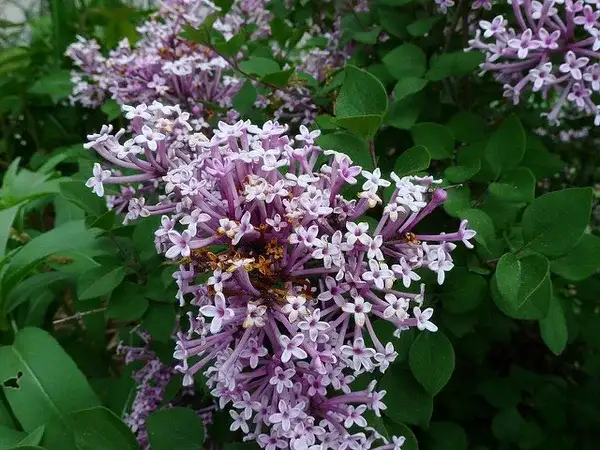
Meyer lilac brings dense clusters of fragrant lavender flowers and small, slightly ruffled leaves to the spring garden. Grown as a standard, its leafy crown is raised on a clear trunk rather than branching from the ground. Place it near a sitting area to enjoy the fragrance, with sun and good drainage for the strongest flowering.
At a glance
- Sun
- Full sun to part shade
- Size
- Height: Total height depends on the nursery's trained trunk or graft height and subsequent crown growth; confirm supplied stock. · Width: Crown spread depends on the named selection and pruning of the standard; confirm the supplied selection.
- Water
- Moist, well-drained soil
- Hardiness
- USDA 3–7
- Bloom
- Fragrant lavender flower clusters in spring
Sizes & prices
- #10Dwarf Korean Lilac on Standard$199.99
Catalog updated September 8, 2026. This is not a live stock count; please call to confirm availability and price.
Ask about this plantSelect a section to expand.
Landscape use & tree form
- Use
- Ornamental specimen; Screening
- Growth rate
- Slow
- Major issues
- Good air circulation reduces foliage disease; watch for mildew, bacterial blight and borers.
- Form
- Rounded flowering crown trained on a single stem.
- Fruit / litter
- Species-type small dry seed capsules may persist into winter; no fleshy fruit crop.
Resistance & tolerances
- Deer
- Resistant, not deer-proof
- Drought
- Tolerates occasional dry spells once established
- Wet soil
- Avoid soggy or poorly drained ground.
- Disease
- More resistant to powdery mildew than many lilacs
- Heat
- Parent-species guidance: Heat tolerant with suitable soil moisture.
Resistance is not a guarantee; deer and rabbits may browse any plant.
Pollinators & wildlife
- Attracts
- Butterflies, Hummingbirds
- Evidence
- Species-level guidance; cultivar habitat value varies.
Seasonal interest
- Foliage
- Small green leaves; deciduous
Growing & care
- Soil
- Moist, well-drained; brief dry periods tolerated
- Pruning
- Shape just after spring flowering. On standards, remove rootstock and trunk shoots.
Sources & photo credits
Photo: Chipmunk, via NC State Extension, CC BY-SA 2.0 · CC BY-SA 2.0, as credited by NC State Extension
Image notes: Meyer lilac flowers; species-level photograph. Resized and converted to WebP under the linked license.
Reviewed September 22, 2026. Growing conditions vary by location.