
Trees
Robinia pseudoacacia 'Lace Lady'
Twisty Baby black locust
Also known as: Lace Lady
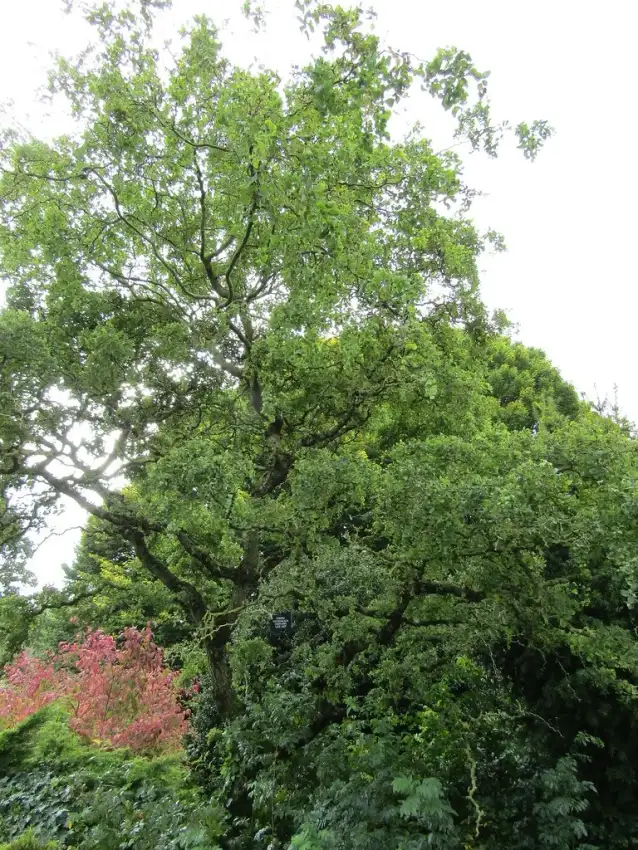
Twisty Baby is valued for its sculptural branching rather than a predictable flower display. Twisted stems and curling green leaflets give the loose crown an unusual texture, followed by yellow autumn foliage and an expressive winter silhouette. It is offered in shrub, tree and grafted forms, so the eventual outline depends partly on nursery training.
At a glance
- Sun
- Full sun to part shade
- Size
- Height: About 8–10 ft over 30 years; form dependent · Width: About 12–15 ft over 30 years
- Water
- Dry to moderately moist, well-drained soil
- Hardiness
- USDA 4–8
- Bloom
- White; rarely produced
Sizes & prices
- #20$349.99
Catalog updated September 8, 2026. This is not a live stock count; please call to confirm availability and price.
Ask about this plantSelect a section to expand.
Landscape use & tree form
- Use
- Small-space specimen; container
- Form
- Loose crown with twisted branches; shrub or trained tree
- Fruit / litter
- Flowers and resulting seed pods rarely produced
- Major issues
- Black-locust borers, canker and weak wood can be problems; root suckers may need removal.
- Growth rate
- Slow to moderate; more restrained than ordinary black locust.
Resistance & tolerances
- Deer
- Black locust can be substantially browsed; protect young trees.
- Drought
- Tolerant, according to Missouri Botanical Garden
- Wet soil
- Good drainage is important; avoid soggy ground.
Resistance is not a guarantee; deer and rabbits may browse any plant.
Pollinators & wildlife
- Attracts
- Bees
- Caterpillar host
- Butterflies
- Evidence
- Species-level guidance; cultivar habitat value varies.
Native range
- Native range / parentage
- Cultivated selection of a Kentucky-native species; not wild local stock.
Keep in mind: May sucker; the parent species can be invasive. Small spines occur. Snow or ice can damage branches. Nursery form should be confirmed.
Seasonal interest
- Foliage
- Curled green leaflets; yellow in fall
- Winter
- Twisted stems visible after leaf fall
Growing & care
- Soil
- Well-drained; adapts to poor, dry soils
- Pruning
- Remove vigorous rootstock shoots or suckers that lack the cultivar's twisted character; train the framework while young.
Sources & photo credits
University of Minnesota Extension
Photo: wallygrom / Flickr, CC BY-SA 2.0; resized for web without enlargement. · CC BY-SA 2.0
Image notes: Twisty Baby black locust. Photo: wallygrom / Flickr, CC BY-SA 2.0; resized for web without enlargement.
Reviewed September 22, 2026. Growing conditions vary by location.