
Trees
Quercus × warei 'Long'
Regal Prince oak
Also known as: Long
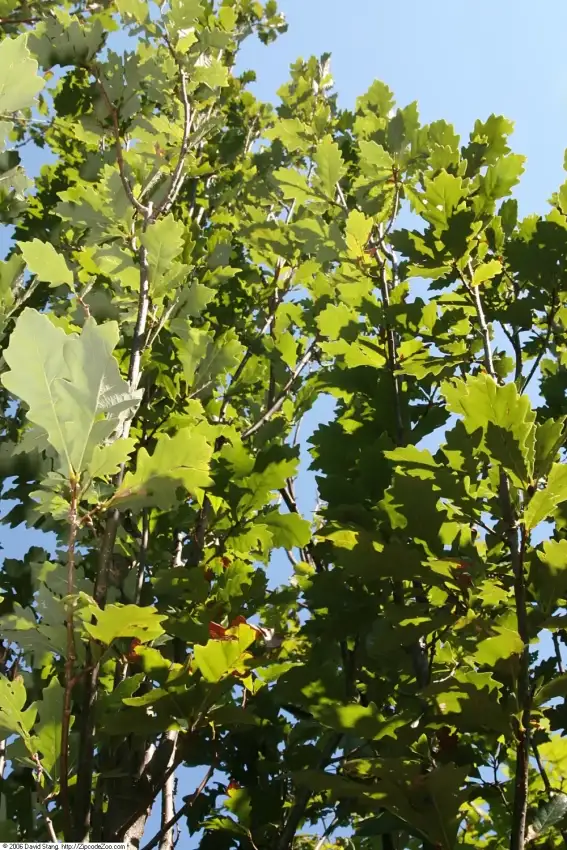
Regal Prince combines a tall, narrow crown with glossy green foliage, making a substantial oak possible where a broad canopy would be less suitable. The leaves develop yellow to brown autumn color, and the tree produces acorns. This English oak and swamp white oak hybrid is selected for a strong upright habit and mildew-resistant foliage.
At a glance
- Sun
- Full sun
- Size
- Height: About 45 ft in nursery landscape guidance · Width: About 18 ft
- Water
- Moist, well-drained soil
- Hardiness
- USDA zone 4
Sizes & prices
- #15$264.99
Catalog updated September 8, 2026. This is not a live stock count; please call to confirm availability and price.
Ask about this plantSelect a section to expand.
Landscape use & tree form
- Use
- Architectural specimen
- Form
- Columnar to narrow oval
- Major issues
- Oak wilt and other regional oak diseases warrant monitoring; avoid unnecessary root or trunk wounds.
- Growth rate
- Relatively fast for an oak
- Fruit / litter
- Acorns and fallen leaves; acorns feed birds and small mammals.
Resistance & tolerances
- Deer
- Mixed nursery ratings; some list deer resistance, but it should not be relied upon where deer pressure is high.
- Drought
- Established trees have shown useful drought tolerance in Cornell field observations.
- Wet soil
- Tolerates wetter, poorly drained soil better than English oak; not a claim of permanent-flood tolerance.
- Powdery mildew
- Cultivar described as highly resistant by Van den Berk
Resistance is not a guarantee; deer and rabbits may browse any plant.
Pollinators & wildlife
- Caterpillar host
- Caterpillars
Seasonal interest
- Foliage
- Glossy green; yellow to brown in autumn
- Fruit
- Acorns
Growing & care
- Pruning
- Prune in the cold dormant season and follow local oak-wilt advisories; avoid spring and early-summer wounds.
- Soil
- Adaptable to wet or dry sites once established; allow adequate rooting space.
Sources & photo credits
University of Minnesota Extension
University of Minnesota Extension
Photo: David J. Stang, via Wikimedia Commons, CC BY-SA 4.0; web-optimized, embedded copyright retained. · CC BY-SA 4.0

Reviewed September 22, 2026. Growing conditions vary by location.