Trees
Nyssa sylvatica
Black gum
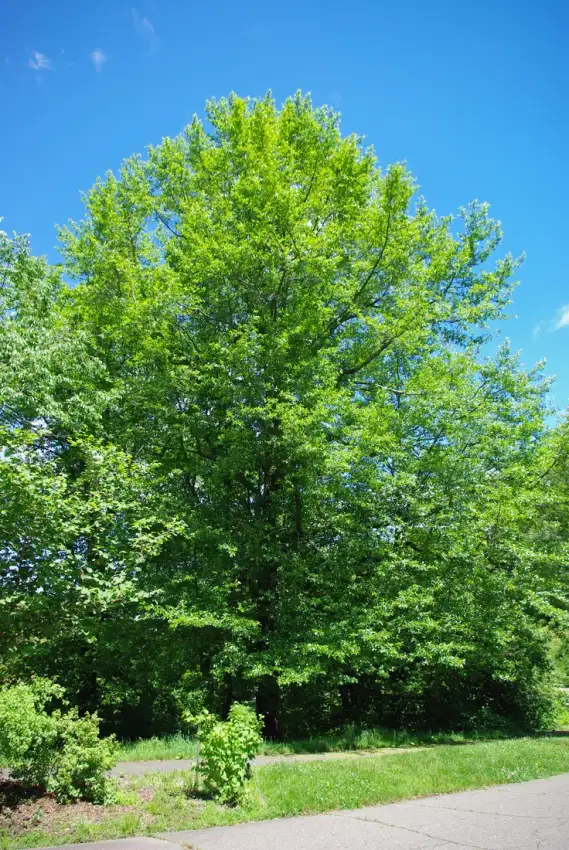
Glossy green summer leaves give way to vivid autumn color on this native shade tree. Its branching outline and small dark fruits add interest beyond the fall display. Plant while young in a site with room for the crown, and maintain moisture while the root system establishes.
At a glance
- Sun
- Full sun
- Size
- Height: 40 ft.–70 ft. · Width: About 20–35 ft.
- Water
- Moist, well-drained soil
- Hardiness
- USDA zones 4–9
Sizes & prices
- #7Select cultivar. Bright red new$124.99
- #20Black Gum/Tupelo Tree$399.99
Catalog updated September 8, 2026. This is not a live stock count; please call to confirm availability and price.
Ask about this plantSelect a section to expand.
Landscape use & tree form
- Use
- Shade tree; Ornamental specimen
- Form
- Columnar; Irregular; Pyramidal; Rounded; Spreading
- Growth rate
- Medium
- Pollination
- Female trees need a male pollen source for reliable fruiting
- Fruit / litter
- Blue-black fruits feed birds; crops vary with flower sex and pollination
- Major issues
- Species guidance: leaf miners and scale can occur; leaf spots, cankers and rust are occasional concerns.
Resistance & tolerances
- Deer
- Listed as resistant; protect young trees from browsing and antler rubbing.
- Drought
- Tolerant once established; water during establishment and prolonged dry spells.
- Wet soil
- Tolerates occasional flooding and wet soil.
- Heat
- Tolerant.
Resistance is not a guarantee; deer and rabbits may browse any plant.
Pollinators & wildlife
- Attracts
- Bees
Native range
- Native range / parentage
- Southern Ontario, Central and Eastern United States, and Mexico Species native to Kentucky.
- Tristate native status
- Species native to Kentucky.
Seasonal interest
- Foliage
- Deciduous
Growing & care
- Pruning
- Prune for sound structure while young; remove dead, damaged or crossing branches. Most routine pruning is best during dormancy.
- Soil
- Moist, well-drained; Occasional Flooding; brief dry periods tolerated; occasional wetness tolerated
Sources & photo credits
University of Minnesota Extension
Photo: Bostonian13 · CC BY-SA 3.0

Image notes: Black gum at the Arnold Arboretum, Boston. Resized and converted to WebP.
Reviewed September 22, 2026. Growing conditions vary by location.