Trees
Magnolia 'Elizabeth'
Elizabeth magnolia
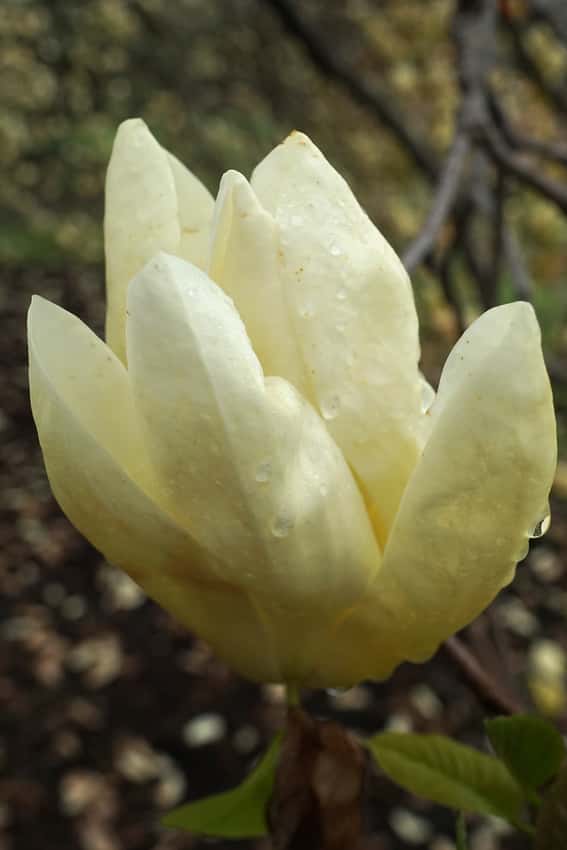
Elizabeth is a deciduous hybrid magnolia with soft yellow flowers that open before the leaves. Developed at Brooklyn Botanic Garden from cucumber magnolia and yulan magnolia, it helped establish yellow as a major color in ornamental magnolias. Its generous spring display is best enjoyed as a prominent flowering specimen.
At a glance
- Sun
- Full sun to partial shade
- Size
- Height: 20–35 ft · Width: 12–20 ft
- Water
- Moderately moist, well-drained soil
- Hardiness
- USDA 5–8
- Bloom
- Pale yellow, spring before leaves
Sizes & prices
- #15NOT FOR SALE Specimen Yellow Flowering Magnolia$249.99
Catalog updated September 8, 2026. This is not a live stock count; please call to confirm availability and price.
Ask about this plantSelect a section to expand.
Landscape use & tree form
- Use
- Ornamental flowering specimen
- Form
- Pyramidal
- Fruit / litter
- Rarely sets fruit; not a reliable wildlife fruit crop.
- Growth rate
- Moderate
- Major issues
- Scale, leaf spots and branch cankers may occur; avoid large pruning wounds.
Resistance & tolerances
- Deer
- Grower-rated deer resistant; browsing is still possible.
- Drought
- Moderate tolerance after establishment, according to UF/IFAS.
- Wet soil
- Use moist, well-drained soil; prolonged saturation tolerance is not established.
Resistance is not a guarantee; deer and rabbits may browse any plant.
Pollinators & wildlife
- Attracts
- Butterflies
Seasonal interest
- Foliage
- Green deciduous foliage turns yellow in autumn.
Growing & care
- Pruning
- Usually needs little pruning. For deciduous trees, make necessary shaping cuts in summer; avoid major winter or early-spring cuts.
- Soil
- Organically rich, moderately moist, well-drained; neutral to slightly acidic
Sources & photo credits
University of Minnesota Extension
Photo: Plant Image Library / Wikimedia Commons · CC BY-SA 2.0

Reviewed September 22, 2026. Growing conditions vary by location.