
Trees
Chionanthus retusus
Chinese fringetree
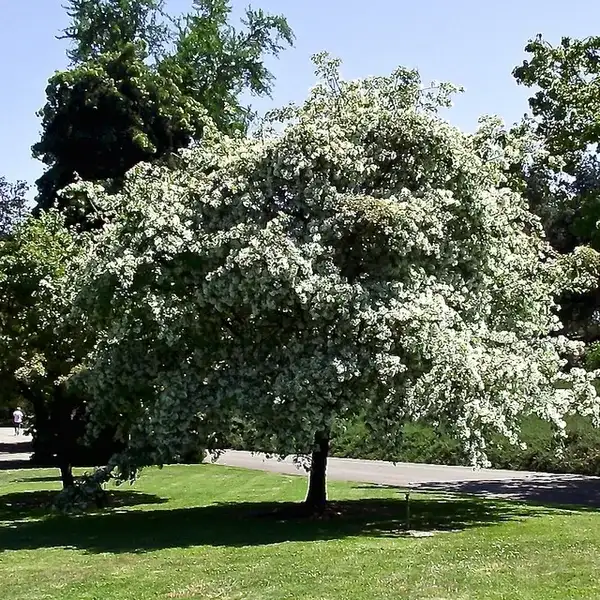
Loose clusters of fine white flowers cover this small tree in spring, contrasting with glossy green foliage. It can develop a single trunk or a broad, multistemmed outline. Plant where its flowers can be seen against darker foliage; fruiting plants also provide food for birds.
At a glance
- Sun
- Dappled shade / Full sun / Part shade
- Size
- Height: 10 ft.–30 ft. · Width: 10 ft.–30 ft.
- Water
- Moist, well-drained soil
- Hardiness
- USDA zones 5–9
Sizes & prices
- B&B 5'+ PkGr4-5' Park Grade Chinese Fringe TreeCall for price
Catalog updated September 8, 2026. This is not a live stock count; please call to confirm availability and price.
Ask about this plantSelect a section to expand.
Landscape use & tree form
- Use
- Ornamental specimen
- Form
- Columnar; Multi-stemmed; Rounded; Spreading; Vase
- Growth rate
- Medium
- Fruit / litter
- Female plants may carry blue-black drupes, eaten by birds.
- Pollination
- Functionally male and female flowers usually occur on separate plants. Fruiting is concentrated on female plants with compatible pollen nearby.
- Major issues
- Generally few serious problems; occasional scale, borers, leaf spots or canker.
Resistance & tolerances
- Deer
- Browsing risk varies: NC State reports frequent damage, while Rutgers rates lower damage. Protect young plants.
- Drought
- Dry-weather care: Moist, well-drained soil. Maintain the recommended moisture during extended dry spells; no cultivar-specific drought rating confirmed.
- Wet soil
- Use moist but well-drained soil; not a permanently waterlogged site.
Resistance is not a guarantee; deer and rabbits may browse any plant.
Pollinators & wildlife
- Birds
- Fruit provides food
Seasonal interest
- Foliage
- Deciduous
Growing & care
- Pruning
- Retain the naturally multistemmed crown, or select a trunk while young; avoid repeated removal of large mature limbs.
Sources & photo credits
University of Minnesota Extension
Photo: Photo by Zebulon Walton · CC0
Image notes: Chinese fringetree. Chionanthus retusus. Resized and converted to WebP.
Reviewed September 22, 2026. Growing conditions vary by location.