
Perennials
Iris sibirica
Siberian iris
Also known as: Siberian flag
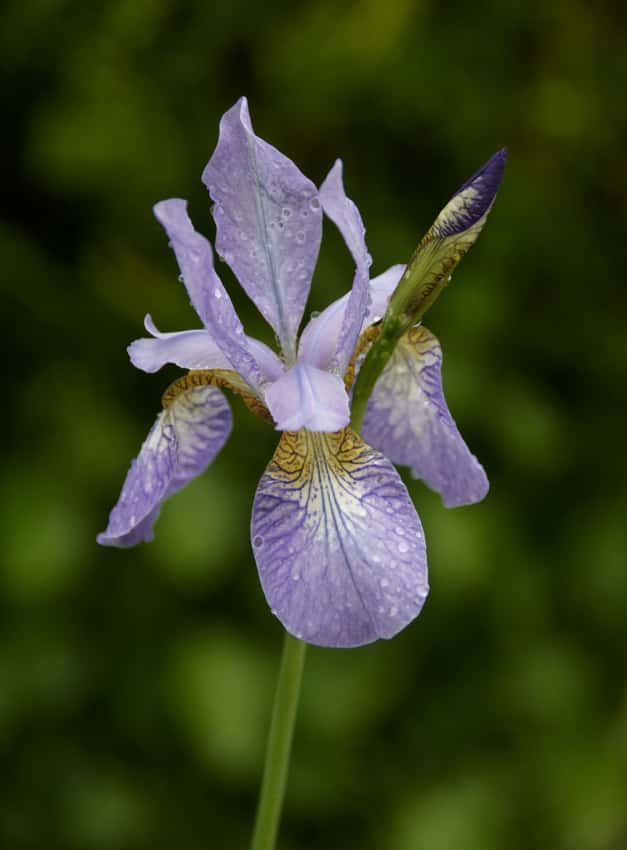
An upright clump of narrow leaves with blue-purple flowers in late spring to early summer. This listing is the unnamed species, not a selected cultivar. Divide crowded clumps when flowering declines.
At a glance
- Sun
- Full sun to part shade
- Mature size
- About 2 ft. tall × 30–36 in. wide
- Water
- Evenly moist; well-drained soil
- Hardiness
- USDA zones 3–8
- Bloom
- Typically blue-purple; late spring–early summer.
Sizes & prices
- #1Call for price
Catalog updated September 8, 2026. This is not a live stock count; please call to confirm availability and price.
Ask about this plantSelect a section to expand.
Resistance & tolerances
- Drought
- Some tolerance once established; best with even moisture.
- Wet soil
- Tolerates occasional wetness; use moist, draining soil.
- Black walnut
- Listed as tolerant.
- Deer & rabbits
- Resistant, not browse-proof.
Resistance is not a guarantee; deer and rabbits may browse any plant.
Pollinators & wildlife
- Attracts
- Bees, Butterflies
Keep in mind: Harmful if eaten; sap can irritate skin. Wear gloves when dividing.
Seasonal interest
- Foliage
- Narrow blue-green leaves; interesting seed pods.
Growing & care
- Light
- Too much shade reduces flowers and stem strength.
- Establishment
- Keep consistently moist while roots establish.
- Fall cleanup
- After a hard frost, remove old leaves, stems and nearby debris to reduce overwintering iris-borer eggs.
Sources & photo credits
University of Minnesota Extension
Photo: Wouter Hagens · CC BY-SA 3.0

Image notes: Siberian iris flower. species photograph; uncropped.
Reviewed September 21, 2026. Growing conditions vary by location.