
Herbs
Nepeta cataria
Catnip
Also known as: Catswort
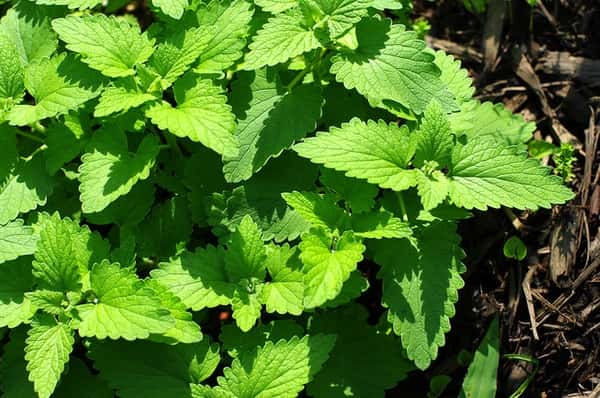
A spreading perennial with aromatic gray-green leaves and small white flowers marked with pale purple. This is true catnip, not one of the ornamental catmint cultivars. Shear after flowering. Use a container and remove seedlings to limit spread.
At a glance
- Sun
- Full sun to part shade
- Mature size
- 2–3 ft. tall × 2–3 ft. wide
- Water
- Dry to moderate; well-drained soil
- Hardiness
- USDA zones 3–7
- Bloom
- White with pale purple marks; late spring–summer
Sizes & prices
- 4.5"$6.99
- 6"$9.99
Catalog updated September 8, 2026. This is not a live stock count; please call to confirm availability and price.
Ask about this plantSelect a section to expand.
Resistance & tolerances
- Deer
- Listed as resistant; not browse-proof.
- Drought
- Tolerates dry soil.
- Wet soil
- Requires drainage.
- Heat
- Afternoon shade helps in hot, humid conditions.
Resistance is not a guarantee; deer and rabbits may browse any plant.
Pollinators & wildlife
- Attracts
- Bees, Butterflies
Keep in mind: Can become weedy. Cats are attracted to it, but eating it can cause vomiting or diarrhea.
Culinary uses
- Edible part
- Minty leaves.
- Try in
- Tea, soups, stews and sauces.
Growing & care
- Harvest
- Snip leaves and leafy stems as needed during active growth. Harvest after dew dries; dry or freeze suitable cuttings for later use.
Remove spent flower spikes to encourage more bloom and limit self-seeding. Avoid wet winter soil and allow room for spreading growth.
Sources & photo credits
University of Minnesota Extension
Photo: Isaac Wedin · CC BY 2.0
Image notes: Catnip foliage. species photo; uncropped.
Reviewed September 15, 2026. Growing conditions vary by location.