
Herbs
Mentha × gracilis
Ginger mint
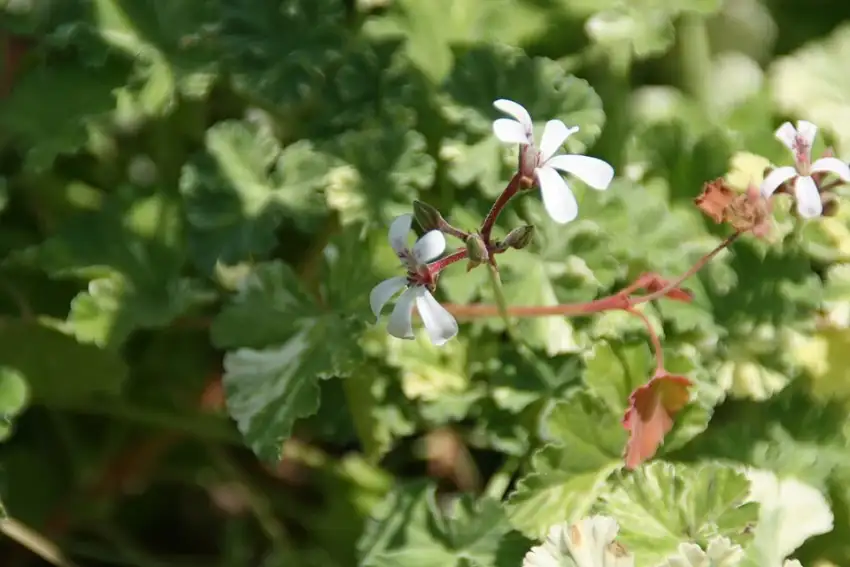
An aromatic, spreading mint for herb pots and kitchen gardens. Leaf color varies among selections, including the familiar gold-striped form. Like other culinary mints, it is best kept in a container rather than allowed to run through a mixed bed. Grow in moist but well-drained; keep container mix evenly moist.
At a glance
- Sun
- Full sun to part shade
- Water
- Moist, well-drained soil
- Life cycle
- Herbaceous perennial
Sizes & prices
- 4.5''$6.99
Catalog updated September 8, 2026. This is not a live stock count; please call to confirm availability and price.
Ask about this plantSelect a section to expand.
Resistance & tolerances
- Wet soil
- Keep moist with drainage; avoid stagnant, waterlogged pots.
Culinary uses
- Edible parts
- Leaves.
- Use
- Fresh leaves in salads, drinks and mint sauces.
Seasonal interest
- Form
- Spreading perennial; green or variegated foliage depends on the selection.
Growing & care
- Harvest
- Pick young leaves and leafy stems during active growth.
- Pruning
- Cut back flowered stems for fresh growth; remove faded stems from late autumn to spring.
- Containment
- Use a roomy pot; divide crowded roots every few years.
- Winter
- Foliage dies back in winter; new shoots emerge from the perennial root system.
- Size & habit
- Size and leaf markings vary by selection.
Keep the root run contained and harvest young growth regularly.
Sources & photo credits
Kew Science, Plants of the World Online
Botanical name: Kew Science.
Photo: Photo by David J. Stang / CC BY-SA 4.0; resized and converted to WebP · CC BY-SA 4.0

Image notes: Ginger mint showing its leaves and small flowers. Photo by David J. Stang / CC BY-SA 4.0. Resized and converted to WebP.
Size & selection: Dimensions and leaf markings vary by selection; this listing does not assign the cultivar Variegata.
Reviewed 2026-10-01. Growing conditions vary by location.