
Herbs
Lavandula angustifolia 'SuperBlue'
SuperBlue English lavender
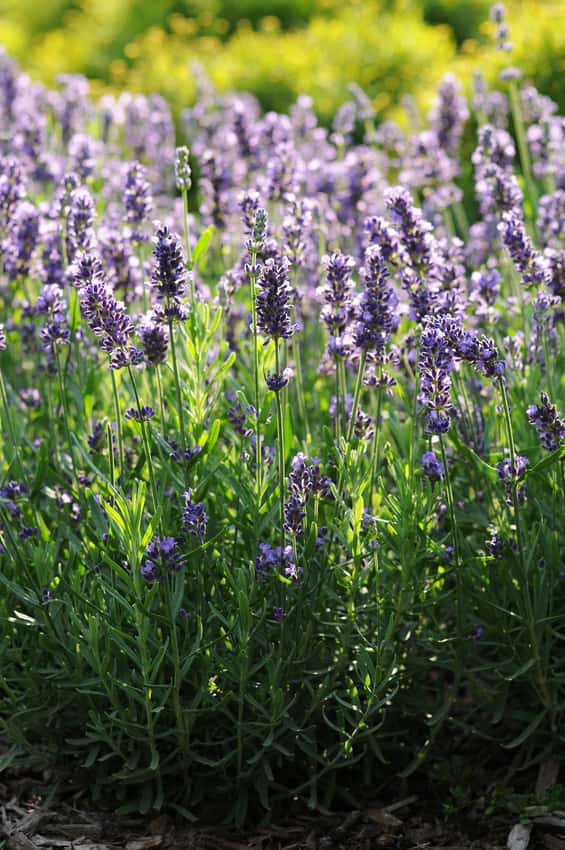
A compact mound with deep violet-blue flowers and aromatic green foliage. Use a freely draining bed or container.
At a glance
- Sun
- Full sun
- Mature size
- 10–12 in. tall × 10–12 in. wide
- Water
- Dry to moderate; excellent drainage
- Hardiness
- USDA zones 5a–8b (breeder rating)
- Bloom
- Deep violet-blue spikes; late spring through summer.
Sizes & prices
- #1Super Fragrant, very dwarf, super hardy LavenderCall for price
Catalog updated September 8, 2026. This is not a live stock count; please call to confirm availability and price.
Ask about this plantSelect a section to expand.
Resistance & tolerances
- Deer
- Breeder lists resistance; not browse-proof.
- Drought
- Low water needs once established.
- Wet soil
- Avoid wet roots, especially in winter.
Resistance is not a guarantee; deer and rabbits may browse any plant.
Pollinators & wildlife
- Attracts
- Bees
Culinary uses
- Uses
- Use small amounts of English lavender flowers in tea or as a fragrant seasoning. Use only correctly identified plants grown for food without unsuitable pesticide treatments.
Seasonal interest
- Form
- Compact aromatic mound.
- Foliage
- Evergreen aromatic foliage.
Growing & care
- Harvest
- For drying, cut flower stalks as the first flowers open, after dew dries. Hang small bunches upside down in a dark, airy place.
Sources & photo credits
Utah State University Extension
Photo: National Garden Bureau / Darwin Perennials · NGB photo-library permission; credit and cultivar label required
Reviewed September 21, 2026. Growing conditions vary by location.