
Groundcovers
Hedera helix 'Wilson'
Wilson English ivy
Also known as: Wilson's hardy English ivy · Wilsonii ivy
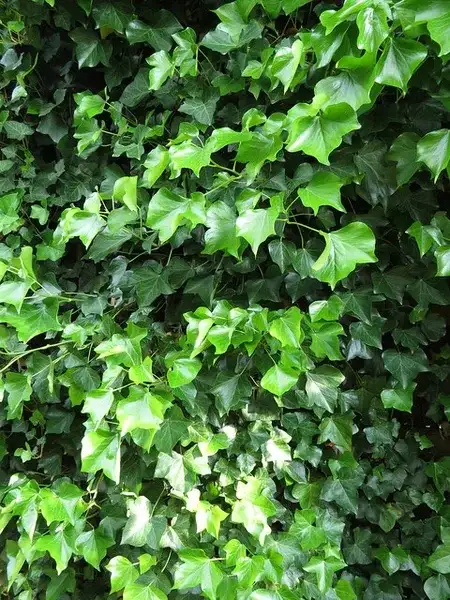
A hardy, small-leaved English ivy selection that creeps across the ground or climbs by aerial rootlets. Evergreen foliage provides year-round cover, but the stems need regular trimming to stay within a chosen bed.
At a glance
- Sun
- Part shade to full shade; tolerates sun
- Mature size
- 6–8 in. as groundcover tall
- Water
- Moist, well-drained soil
- Hardiness
- USDA zones 4–9
Sizes & prices
- 4.5"Call for price
- FlatCall for price
Catalog updated September 8, 2026. This is not a live stock count; please call to confirm availability and price.
Ask about this plantSelect a section to expand.
Resistance & tolerances
- Drought
- English ivy tolerates some drought once established.
- Wet soil
- Prefers moist, well-drained soil; avoid standing water.
- Clay soil
- Tolerates clay if drainage is adequate.
Keep in mind: Kentucky Forestry lists English ivy (Hedera helix) as invasive. Avoid planting beside woods; contain spreading stems and do not let them climb trees. Leaves and berries are toxic if eaten, and sap may irritate skin.
Seasonal interest
- Habit
- Evergreen groundcover or clinging vine.
- Foliage
- Small leaves compared with many English ivy cultivars.
Growing & care
- Pruning
- Trim boundaries regularly and remove stems that begin climbing trees.
- Placement
- Use where its spread can be monitored; full winter sun can damage leaves.
Sources & photo credits
Photo: Donald Hobern · CC BY 2.0
Image notes: Representative English ivy foliage, not an exact Wilson cultivar portrait. Wilson is a small-leaved selection. Original framing retained; converted to WebP without enlargement.
Reviewed October 1, 2026. Growing conditions vary by location.