
Groundcovers
Euonymus fortunei 'Coloratus'
Purpleleaf wintercreeper
Also known as: Purple wintercreeper
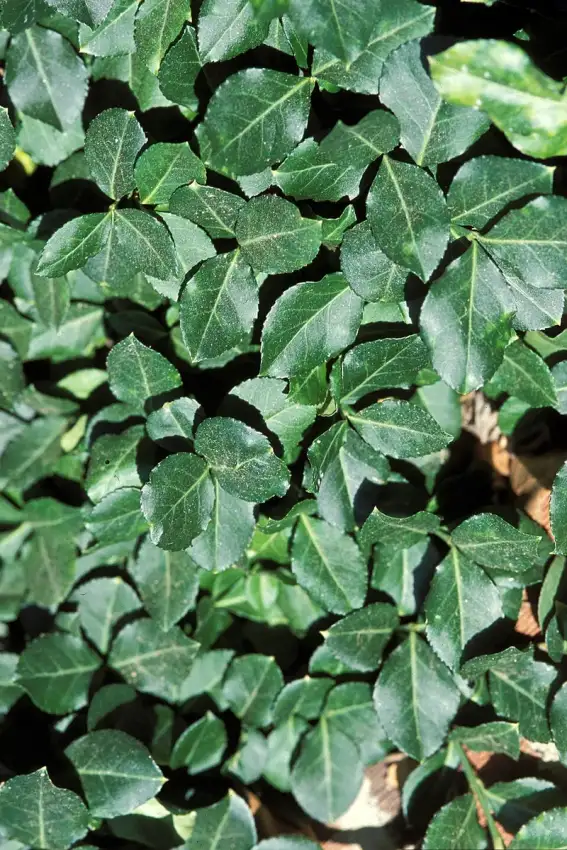
Glossy green leaves turn purple through late fall and winter on this low, spreading evergreen. Stems root along the ground and can climb if they meet a tree or wall. Give it room and keep its edges contained.
At a glance
- Sun
- Full sun to full shade
- Mature size
- 1–1½ ft. tall × To 6 ft. wide
- Water
- Average; well-drained soil
- Hardiness
- USDA zones 5–8
Sizes & prices
- 36 pkt flatCall for price
- 4.5"Call for price
Catalog updated September 8, 2026. This is not a live stock count; please call to confirm availability and price.
Ask about this plantSelect a section to expand.
Resistance & tolerances
- Deer
- Often browsed by deer; not a deer-resistant choice.
- Drought
- Tolerates occasional dryness once established.
- Wet soil
- Avoid very wet soil.
Resistance is not a guarantee; deer and rabbits may browse any plant.
Keep in mind: Kentucky Forestry lists wintercreeper (Euonymus fortunei) as invasive. This cultivar can spread beyond a planting; avoid it beside woods and keep existing stems contained.
Seasonal interest
- Habit
- Evergreen, trailing stems root where they touch soil.
- Foliage
- Green in summer; purple in late fall and winter.
Growing & care
- Pruning
- Trim edges and remove climbing stems to keep it within bounds.
- Placement
- Allow space for a wide mat; monitor nearby natural areas.
- Problems
- Watch for euonymus scale and winter leaf burn.
Sources & photo credits
Photo: James H. Miller, USDA Forest Service, Bugwood.org / CC BY 3.0; resized and converted to WebP · CC BY 3.0

Image notes: Wintercreeper foliage. Species shown, not the Coloratus cultivar. James H. Miller, USDA Forest Service, Bugwood.org / CC BY 3.0. Resized and converted to WebP.
Reviewed October 1, 2026. Growing conditions vary by location.