
Grasses
Arundo donax
Giant reed (blue-green form)
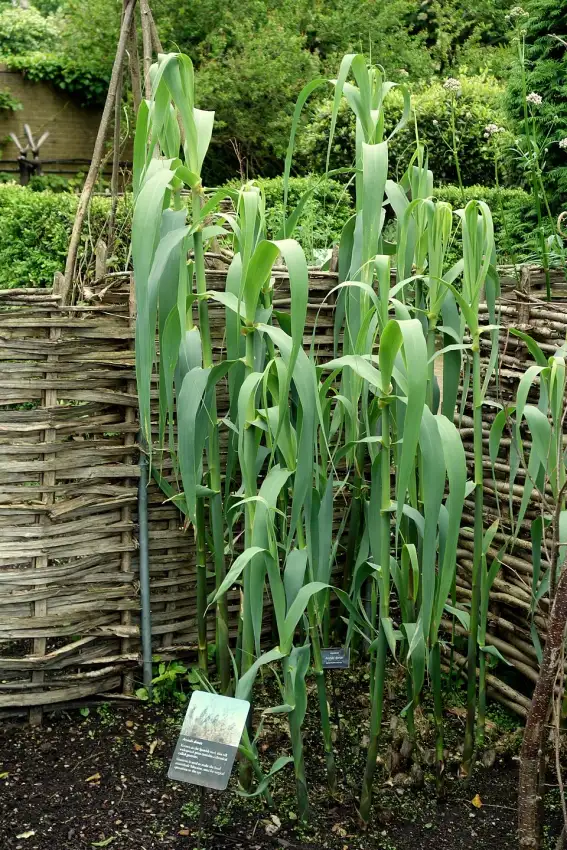
Tall, cane-like stems carry broad blue-green leaves and can make a striking vertical screen. In a warm season, the fast-growing canes can rise well above neighboring plants. Giant reed spreads through rhizomes and broken stem pieces; keep it contained and away from streams or natural areas.
At a glance
- Sun
- Full sun to part shade
- Mature size
- About 12–20 ft. in a growing season tall × 5–8 ft. or more wide
- Water
- Average to wet soil
- Hardiness
- USDA 6–10
- Bloom
- Purplish plumes may appear in fall; flowering can be limited by early frost.
Sizes & prices
- Size not listedCall for price
Catalog updated September 8, 2026. This is not a live stock count; please call to confirm availability and price.
Ask about this plantSelect a section to expand.
Resistance & tolerances
- Drought
- Some tolerance after establishment.
- Wet soil
- Tolerates wet soil and shallow standing water.
Keep in mind: Giant reed is reported invasive in Kentucky. Do not plant it near streams, ponds or natural areas; rhizomes and stem fragments can start new patches. Keep it contained and dispose of cut material securely.
Seasonal interest
- Habit
- Fast-growing, rhizomatous warm-season grass.
Growing & care
- Soil
- Adaptable; best growth in moist ground.
- Pruning
- Cut canes to the ground after frost or before new spring growth.
- Spread control
- Contain rhizomes; do not discard canes or roots where they can resprout.
Sources & photo credits
Photo: Daderot / Wikimedia Commons · CC0 1.0 public domain dedication

Reviewed October 1, 2026. Growing conditions vary by location.