
Fruits
Fragaria × ananassa 'Seascape'
Seascape strawberry
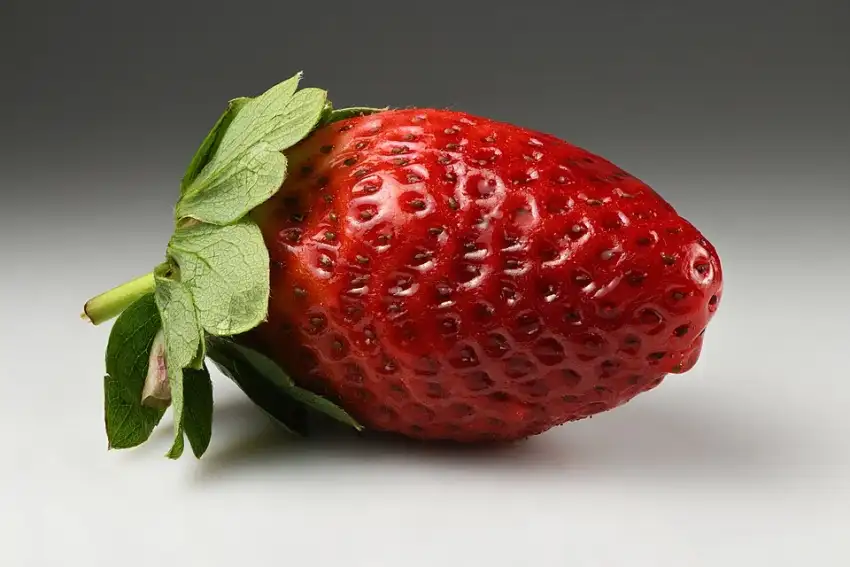
A day-neutral strawberry with repeated crops of large berries when temperatures and care are favorable.
At a glance
- Sun
- Full sun
- Mature size
- About 7 in. (grower reference) tall × About 12 in. (grower reference) wide
- Water
- Even moisture; well-drained soil
Sizes & prices
- 3.5"$5.99
Catalog updated September 8, 2026. This is not a live stock count; please call to confirm availability and price.
Ask about this plantSelect a section to expand.
Pollinators & wildlife
- Attracts
- Bees
Fruit & harvest
- First bearing
- A small crop may begin 2–3 months after planting if the plants establish well.
- Harvest
- Repeated crops from early summer into fall when temperatures allow.
- Pollination
- Self-fruitful; bees improve berry formation.
Growing & care
- Type
- Garden strawberry
- Pruning
- Remove excess runners to prevent crowding. For day-neutral types, remove runners through the season to favor fruit production; avoid June-bearing renovation methods on those types.
- Winter
- After plants become dormant, protect crowns with clean straw mulch. Pull it back as spring growth resumes.
- Harvest
- Pick fully red berries; refrigerate promptly. Check ripening plants frequently.
Keep crowns at soil level, mulch fruit away from soil and water at the base. Remove old or damaged leaves as plants renew. Bees improve berry formation even though most garden strawberries are self-fruitful.
Sources & photo credits
University of Minnesota Extension
University of Missouri Extension
University of Minnesota Extension
University of Minnesota Extension
Photo: Ivar Leidus / CC BY-SA 4.0; resized and converted to WebP · CC BY-SA 4.0

Image notes: Ripe garden strawberry. Species shown, not this named cultivar. Ivar Leidus / CC BY-SA 4.0. Resized and converted to WebP.
Reviewed October 1, 2026. Growing conditions vary by location.