
Fruits
Pyrus communis 'Bartlett'
Bartlett pear
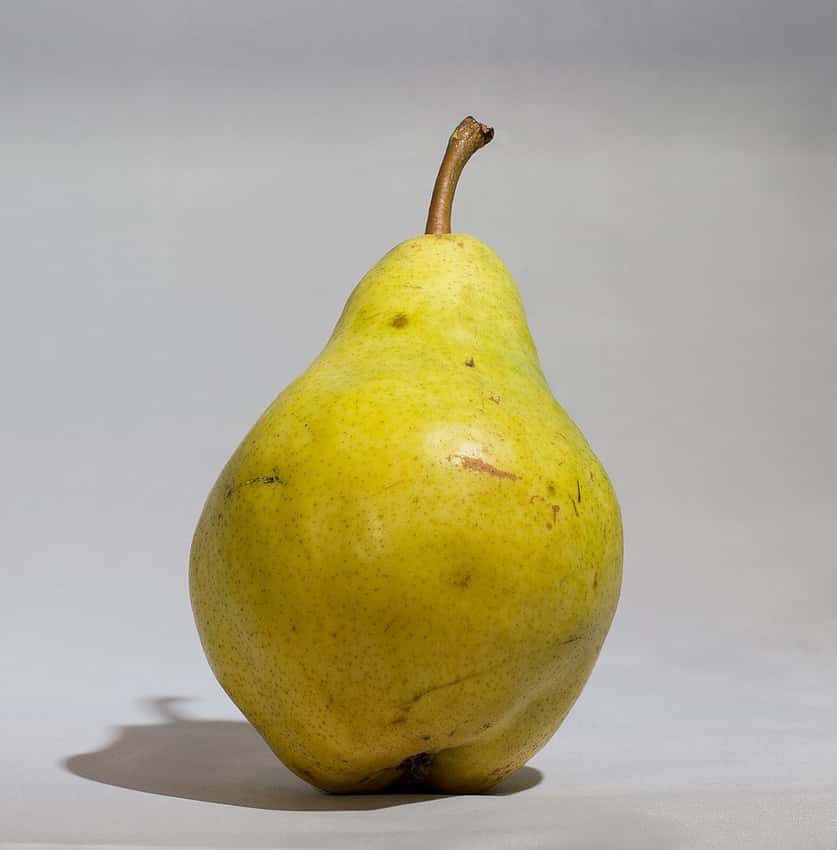
A classic yellow European pear with juicy, aromatic flesh for fresh eating and preserving. Fruit is picked mature but still firm, then ripened off the tree.
At a glance
- Sun
- Full sun
- Water
- Even moisture; well-drained soil
- Hardiness
- USDA zones 4–8 (species reference; cultivar and rootstock may differ)
Sizes & prices
- #5Call for price
- #7Call for price
Catalog updated September 8, 2026. This is not a live stock count; please call to confirm availability and price.
Ask about this plantSelect a section to expand.
Pollinators & wildlife
- Attracts
- Bees
Fruit & harvest
- Tri-state harvest
- Typically late summer to early fall; pick mature fruit while firm.
- First bearing
- About 5–8 years after planting; tree age and rootstock affect timing.
- Harvest cue
- Pick mature fruit while firm; ripen it off the tree.
- Pollination
- A compatible European pear with overlapping bloom improves fruit set.
- Pollinizer partner
- D’Anjou is a documented compatible pear when bloom overlaps.
Growing & care
- Care & pruning
- Train a strong central structure and prune annually for airflow. Watch for fire blight and avoid excessive nitrogen.
- Rootstock & size
- For grafted fruit trees, mature size and time to fruit depend on the rootstock as well as pruning. Check the individual tree tag when selecting planting space.
- Size & rootstock
- Rootstock and training determine mature height and spacing. Confirm whether the nursery tree is standard or dwarf before choosing its planting space.
Sources & photo credits
University of Kentucky Extension
Oregon State University Extension
University of Missouri Extension
University of Minnesota Extension
University of Minnesota Extension
Photo: Rhododendrites (image resized for display) · CC BY-SA 4.0

Reviewed October 1, 2026. Growing conditions vary by location.