
Fruits
Ficus carica
Common fig
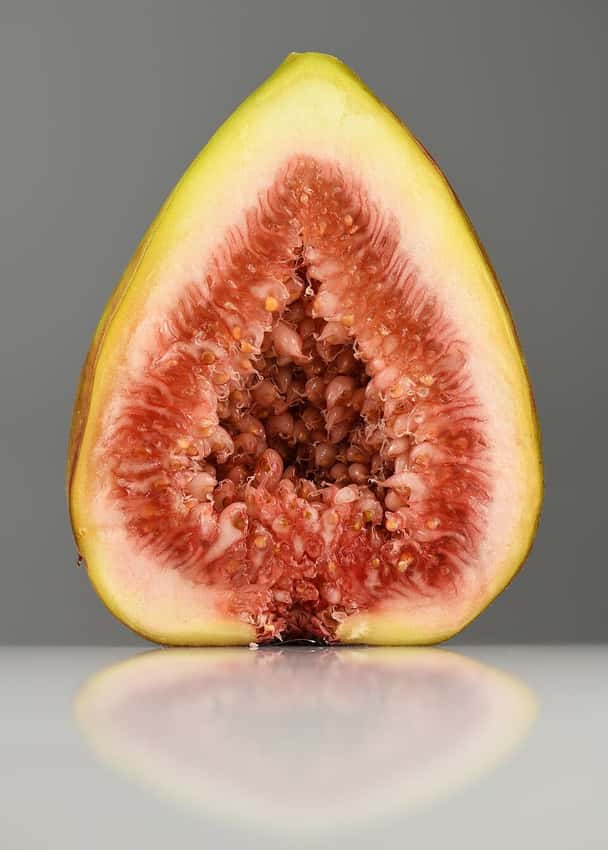
A deciduous fig grown for sweet edible fruit and large lobed leaves. The source label combines “Chicago” and “Brown Turkey,” which are different fig names, so cultivar-specific hardiness is not assigned.
At a glance
- Sun
- Full sun
- Water
- Moderate; well-drained soil
- Hardiness
- USDA zones 7–10 (species reference; cultivar and rootstock may differ)
Sizes & prices
- #3$44.99
Catalog updated September 8, 2026. This is not a live stock count; please call to confirm availability and price.
Ask about this plantSelect a section to expand.
Keep in mind: Confirm whether this stock is Chicago Hardy or Brown Turkey before relying on cultivar-specific winter advice.
Fruit & harvest
- Pollination
- Common-type edible figs set fruit without a pollinizer. Other fig types can require a fig wasp; choose a common-type cultivar for reliable fruiting here.
Growing & care
- Care & pruning
- Plant in a protected site or grow in a large container. In cold winters protect stems and roots; prune out damaged wood after growth resumes. Wear gloves if sensitive to the milky sap.
- Size & habit
- Species range: 10–30 ft. tall and wide in suitable climates. Cultivar, pruning, containers and winter dieback affect size.
- Harvest
- Pick soft, fully ripe figs that droop on their stems. Color changes vary by cultivar; firm green fruit will not ripen properly after picking.
- Winter
- Use a protected site and mulch the root zone. Overwinter container-grown figs indoors.
Sources & photo credits
University of Kentucky Extension
Photo: Ivar Leidus (image resized for display) · CC BY-SA 4.0

Size & selection: Common fig species can reach 10–30 ft. tall and wide in suitable climates. Containers, pruning, cultivar and winter dieback can keep growth smaller.
Reviewed October 1, 2026. Growing conditions vary by location.