
Fruits
Ribes
Currant
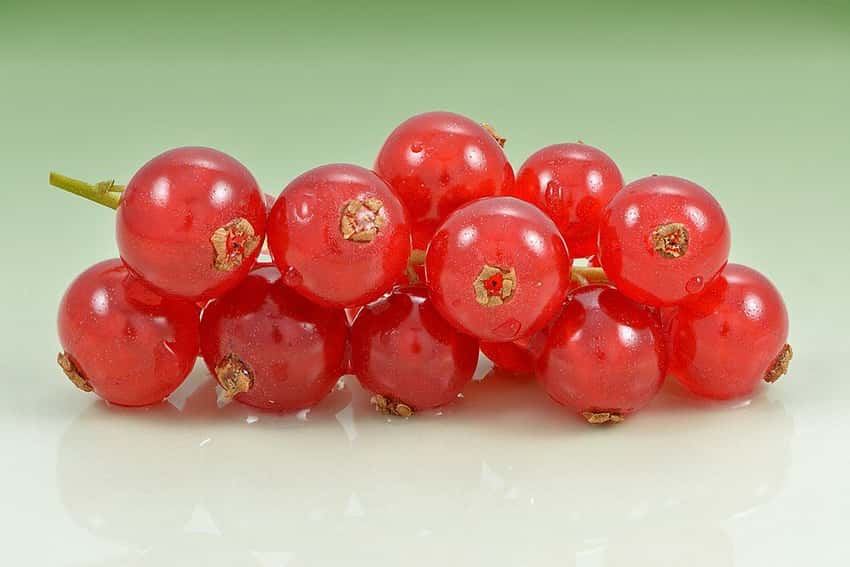
A fruiting currant shrub with spring flowers and clusters of berries. The inventory does not specify red, white or black currant, so flavor and exact harvest traits depend on the selection.
At a glance
- Sun
- Full sun to part shade
- Water
- Even moisture; well-drained soil
Sizes & prices
- Size not listed$27.99
Catalog updated September 8, 2026. This is not a live stock count; please call to confirm availability and price.
Ask about this plantSelect a section to expand.
Pollinators & wildlife
- Attracts
- Bees
Fruit & harvest
- First bearing
- Often 1–3 years after planting.
- Tri-state harvest
- Currants typically ripen in late spring to early summer in Kentucky.
- Pollination
- Most currants are self-fruitful, but requirements vary by species and cultivar.
Growing & care
- Care & pruning
- Mulch roots, water in dry spells and prune established shrubs in late winter to remove weak or old canes. Select disease-resistant stock where possible.
- Size & habit
- Space plants at least 3 ft. apart; vigorous black currants need 4–5 ft.
- Winter
- After extreme winter cold has passed, prune before new spring growth. Most commercial selections are cold-hardy, but choose the named variety for an exact rating.
Sources & photo credits
University of Minnesota Extension
University of Kentucky Extension
Photo: Ivar Leidus (image resized for display) · CC BY-SA 4.0

Size & selection: Plant size varies by type. Extension spacing starts at 3 ft.; vigorous black currants need 4–5 ft. between plants. Spacing is not a fixed mature spread.
Reviewed October 1, 2026. Growing conditions vary by location.