
Fruits
Prunus avium 'Bing'
Bing sweet cherry
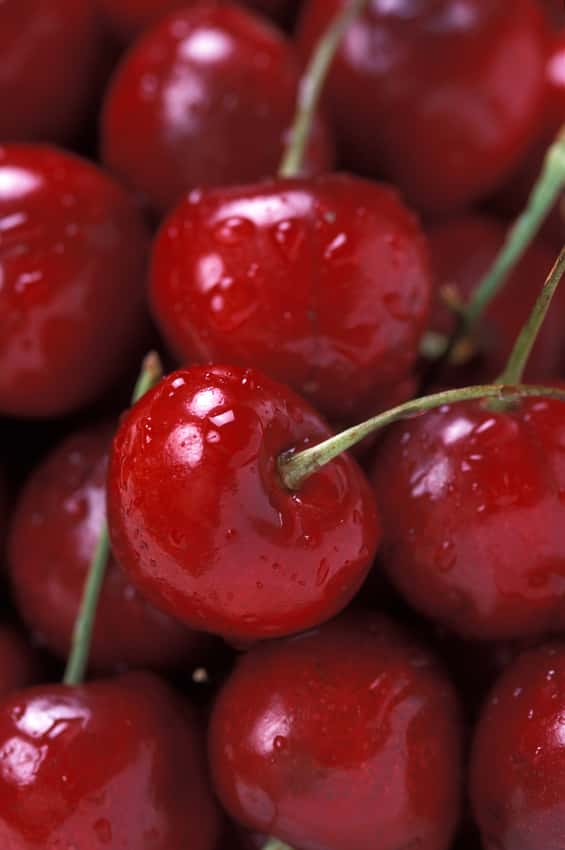
A familiar dark-red sweet cherry for fresh eating. It produces spring flowers followed by juicy summer fruit when a compatible sweet cherry blooms nearby.
At a glance
- Sun
- Full sun
- Water
- Even moisture; well-drained soil
- Hardiness
- USDA zones 5–8
Sizes & prices
- #5Call for price
- #7$89.99
Catalog updated September 8, 2026. This is not a live stock count; please call to confirm availability and price.
Ask about this plantSelect a section to expand.
Pollinators & wildlife
- Attracts
- Bees
Fruit & harvest
- Tri-state harvest
- Typically June–July.
- First bearing
- Approximately 6–7 years after planting; stock age and rootstock matter.
- Pollination
- Needs a compatible sweet cherry with overlapping bloom. Black Tartarian is one possible partner; Bing does not pollinate every cultivar.
- Pollinizer partner
- Black Tartarian is a documented option; bloom must overlap locally.
Growing & care
- Care & pruning
- Prune for an open canopy and remove crossing or dead wood. Protect ripening fruit from birds and monitor for brown rot.
- Rootstock & size
- For grafted fruit trees, mature size and time to fruit depend on the rootstock as well as pruning. Check the individual tree tag when selecting planting space.
- Size & rootstock
- Mature size and spacing depend on the cultivar and rootstock. Ask which rootstock is supplied before choosing a planting location.
Sources & photo credits
Oregon State University Extension
Oregon State University Extension
University of Maryland Extension
Photo: Peggy Greb, USDA ARS · Public domain

Reviewed October 1, 2026. Growing conditions vary by location.